
There is more than one way to the top of the mountain.
Miyamoto Musashi
My method for learning Hiragana and Katakana starts at the very beginning. I’ll go through all my methods for writing, reading, speaking and listening. Everything you need in a page. My method isn’t a one size fits all, it might not work perfectly for you. Use it as a guide, then tweak and improve it to fit your own learning style.
Table of Contents
- Table of Contents
- How to start learning Japanese
- Learning Hiragana
- Hiragana Pro
- Learning Katakana
- Kanji Study App
- Ankidroid (honorable mention)
- Todaii App
- HelloTalk
- WorkBook
How to start learning Japanese
Hiragana is one of the Japanese alphabets, there are a total of three writing systems you need to learn to be able to read. The other two are katakana and Kanji and personally in order to make kanji easier for you, you need to start with hiragana and katakana.
Learning Hiragana
Don’t waste time hunting for websites, apps or videos to speed up your hiragana learning. This video is the ultimate starter pack, it’s by Japanesepod101. In just one hour, it covers everything you need to know, from pronunciation, stroke order and even memory tricks using mnemonics. watch it, take notes and start picking up new vocab along the way. Trust me, it’s the best way to kick off your hiragana journey.
Hiragana Pro

Once you’ve finished the video, the next step is all about memorizing hiragana, and the key to that is consistent practice. One of the best tools I’ve found for this is an app called Hiragana Pro. It’s designed to test your memory and reinforce what you’ve learned in a fun and interactive way. I personally swear it is hands down one of the most effective apps I’ve used for mastering hiragana. The best part? You can squeeze in practice anytime, anywhere on the bus, during lunch, or even while chilling before bed. Just 15 to 30 minutes a day can make a huge difference. Stick with it daily, and you’ll see your hiragana skills level up faster than you think.
Learning Katakana
You can start learning katakana once you’re nearly done with hiragana, or even when you’re about halfway through. The goal is to get to a point where you can comfortably read most hiragana before easing into katakana. That’s because katakana can be trickier and it’s used less frequently than hiragana and kanji, especially in the early stages of learning, so it doesn’t stick as easily. But as you level up in Japanese, you’ll start seeing katakana a lot more, especially in loanwords and foreign names. For now, just aim to get familiar with the katakana characters and practice reading simple words. Personally, I found katakana way harder to pick up than hiragana, it just didn’t click as fast. This video, also by JapanesePod101, is a great resource to get started.
Kanji Study App

When it comes to learning katakana, the best app I’ve used so far is the Kanji Study app (on Android). Even though it’s known for kanji, it has an amazing section dedicated to katakana too. It works similarly to Hiragana Pro, using a flashcard-style system that helps you actively recall and reinforce each character. It’s super beginner-friendly, clean, and straight to the point which is exactly what you need when katakana feels harder to learn. I recommend using it for at least 15 to 30 minutes a day, just like you did with hiragana. If you stay consistent, you’ll be surprised at how quickly your katakana improves. Trust me, daily practice with this app made a big difference for me, and it can for you too.
Ankidroid (honorable mention)
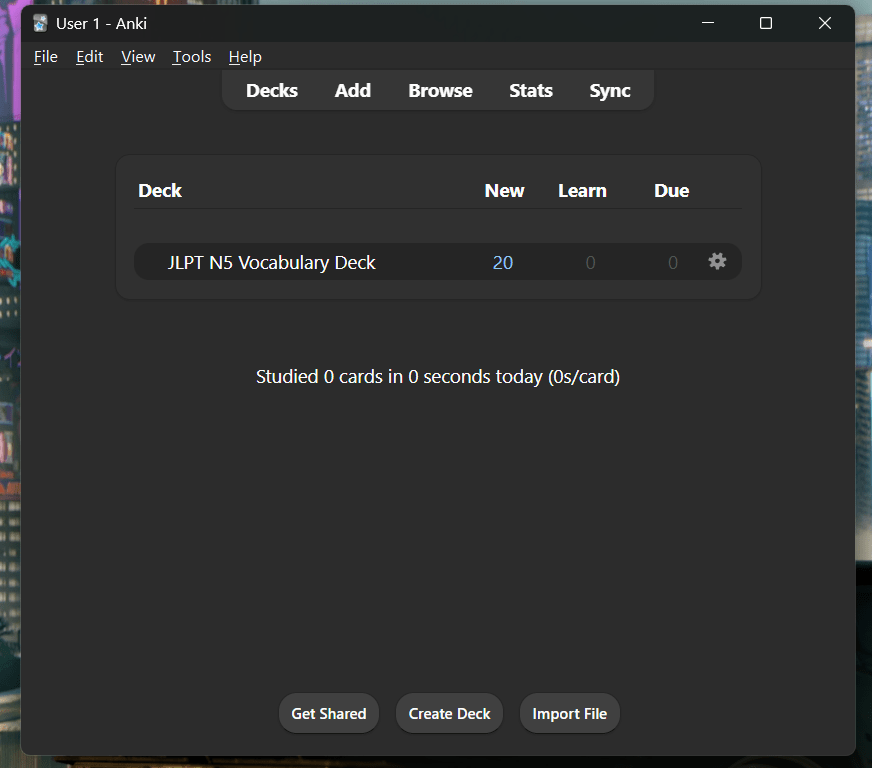
AnkiDroid, the undisputed king of all flashcard apps. Ask anyone learning Japanese (or honestly any language), and chances are they’ll know about it. What makes AnkiDroid so powerful is its versatility, it’s not just for Japanese. You can use it to study German, Mandarin, or literally any subject you want. The catch? You’ll need to find and download the right decks yourself, usually from sites like GitHub or dedicated language learning communities. I personally recommend diving into AnkiDroid after you’ve fully learned hiragana and katakana, especially when you’re ready to take on kanji and start prepping for JLPT N5. With the right deck and consistent daily practice, your memory game will level up fast.
Todaii App


One app I highly recommend for reading Japanese is a news reader app (Todaii) that features articles written for different proficiency levels. It clearly labels each article by JLPT level, so something marked N5 is beginner-friendly, while N1 is the most advanced. This app has been a go-to for me because it doesn’t just help with reading—it also has audio, so I can listen while I read, which is great for improving both comprehension and listening skills. Besides that, I also listen to a bunch of Japanese podcasts that are super useful and divided into beginner, intermediate, and advanced levels. If you’re curious about what I listen to, just click here to check out my podcast list.
HelloTalk

Once you start feeling more comfortable with the basics, I highly recommend trying out an app called HelloTalk. It’s a language exchange app where you can connect with native Japanese speakers and start having real conversations. You can chat through text, voice messages, or even join voice rooms with 3–4 other people to practice speaking in a more natural setting. What’s great is that some rooms are beginner-friendly, with Japanese users who know a bit of English, so it’s less intimidating and easier to keep the convo going. Of course, there are also full Japanese-only rooms if you’re up for the challenge. It’s honestly one of the best ways to start using what you’ve learned in real conversations and build confidence through practice.
WorkBook

I was lucky enough to get my hands on these Japanese workbook thanks to a Japanese friend i met in Temasek Polytechnic Singapore, and honestly they were a huge help once i learned Japanese. These workbooks aren’t easy to come by, and they aren’t something you can just grab off the shelf at the local bookstore. They’re hard to find unless you are an international student in MOE Language school.
Each of them focuses on different parts of the language. Hiragana, Katakana and then Kanji that also covers grammar and sentence structure. They’re made for secondary 1 students in Singapore but i heard from my Japanese friend that our secondary 1 is basically Japan primary 1 workbook, so they are structured just right for beginners like me. These book can be quite tough especially if you are self studying like me.


 My Japanese Language Journey